
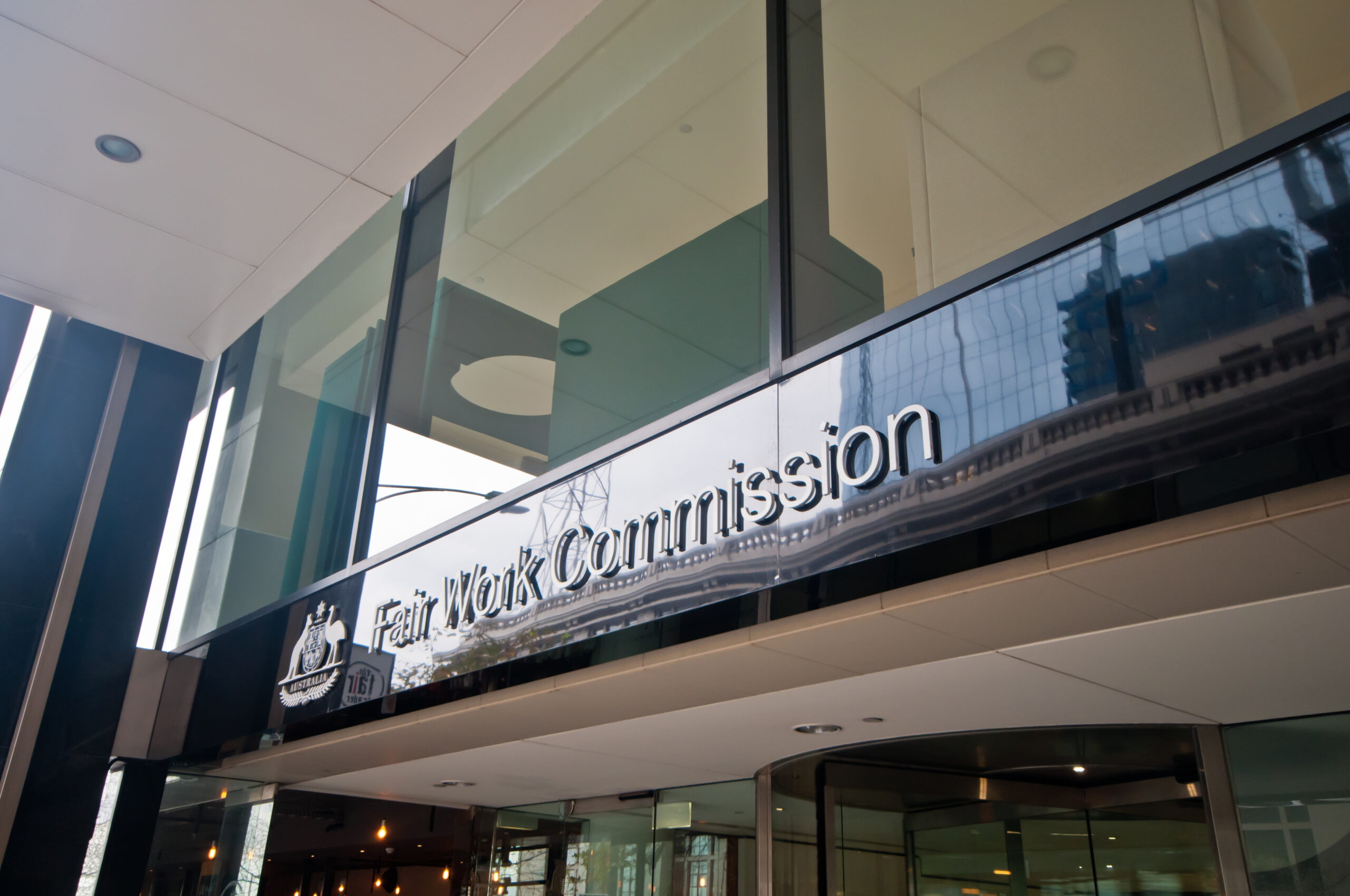
The Fair Work Commission (FWC) is implementing significant reforms to General Protections (GP) applications in response to a surge in lodgements—up 24% above the five-year average in 2024–25. These changes aim to simplify processes, reduce administrative burden, and deliver faster outcomes.
Why the Changes?
- GP dismissal applications grew 13% year-on-year and 27% above the five-year average.
- Over half of GP applications are lodged by employees who don’t meet the qualifying period for unfair dismissal, making GP a substitute pathway. Many businesses are still unaware of the risks that general protections claims pose to a business. All employees are entitled to bring general protections claims, regardless of their length of service or their earnings. If termination occurs around the same time the employee exercised a workplace right, Fair Work assumes the dismissal was for that reason unless the employer proves otherwise (reverse onus of proof)
- Increased jurisdictional objections following the case of Coles Supply Chain Pty Ltd v Milford [2020] have added complexity and workload.
Key Reforms
- New Application and Response Forms
Applicants and Respondents must now provide detailed submissions upfront, including reasons for representation and jurisdictional objections. - Representation Decisions “On the Papers”
Requests for legal representation will be assessed before conferences, reducing delays. - Triage for Late Applications
Out-of-time applications will be reviewed by a Commission Member first. If there are no exceptional circumstances, they’ll be dismissed without being provided to the Respondent. - Settlement-Focused Conferences
New conference procedures will include clearer notices, opening statements, and a stronger focus on resolution.
What This Means for Employers
- Less administrative time on jurisdictional issues and procedural wrangling.
- Faster outcomes for late applications and representation decisions.
- Clearer expectations for conferences and settlement discussions.
Timeline
Stage 2 (new conference procedures) is expected to roll out by the end of 2025, with Stage 3 (education and information materials) to follow.
If you would like further information or advice on these reforms or any other employment law matters, please don’t hesitate to contact our Employment Team on (02) 4927 2900.